

There is a conversation happening in millions of women’s bodies every single day — a constant, complex chemical dialogue that most of us were never taught to understand, let alone support. It happens whether you’re paying attention to it or not. And the quality of that conversation — the balance, rhythm, and harmony of your hormonal system — shapes nearly every aspect of how you feel, function, and experience your life.
Your hormones determine how deeply you sleep and how rested you feel when you wake. They influence how much energy you have at 2 p.m. and whether that energy feels steady or like it’s running on fumes. They shape your mood, your patience, your emotional resilience, your ability to handle stress without coming apart. They affect your skin, your hair, your libido, your weight, your digestion, your immune function, and your relationship with food.
And yet most women move through years — sometimes decades — of hormonal disruption without ever understanding what’s happening or knowing that there are real, natural, evidence-supported things they can do to bring their hormonal system back into balance.
This guide changes that. It is the honest, comprehensive, practically useful conversation about women’s hormonal health that most doctors don’t have time for and most wellness articles are too superficial to deliver. By the end of it, you’ll understand how your hormonal system actually works, what disrupts it, what restores it, and how to build a daily foundation that supports hormonal balance from the inside out — at every life stage.
What Your Hormones Actually Are — And Why They Matter So Much
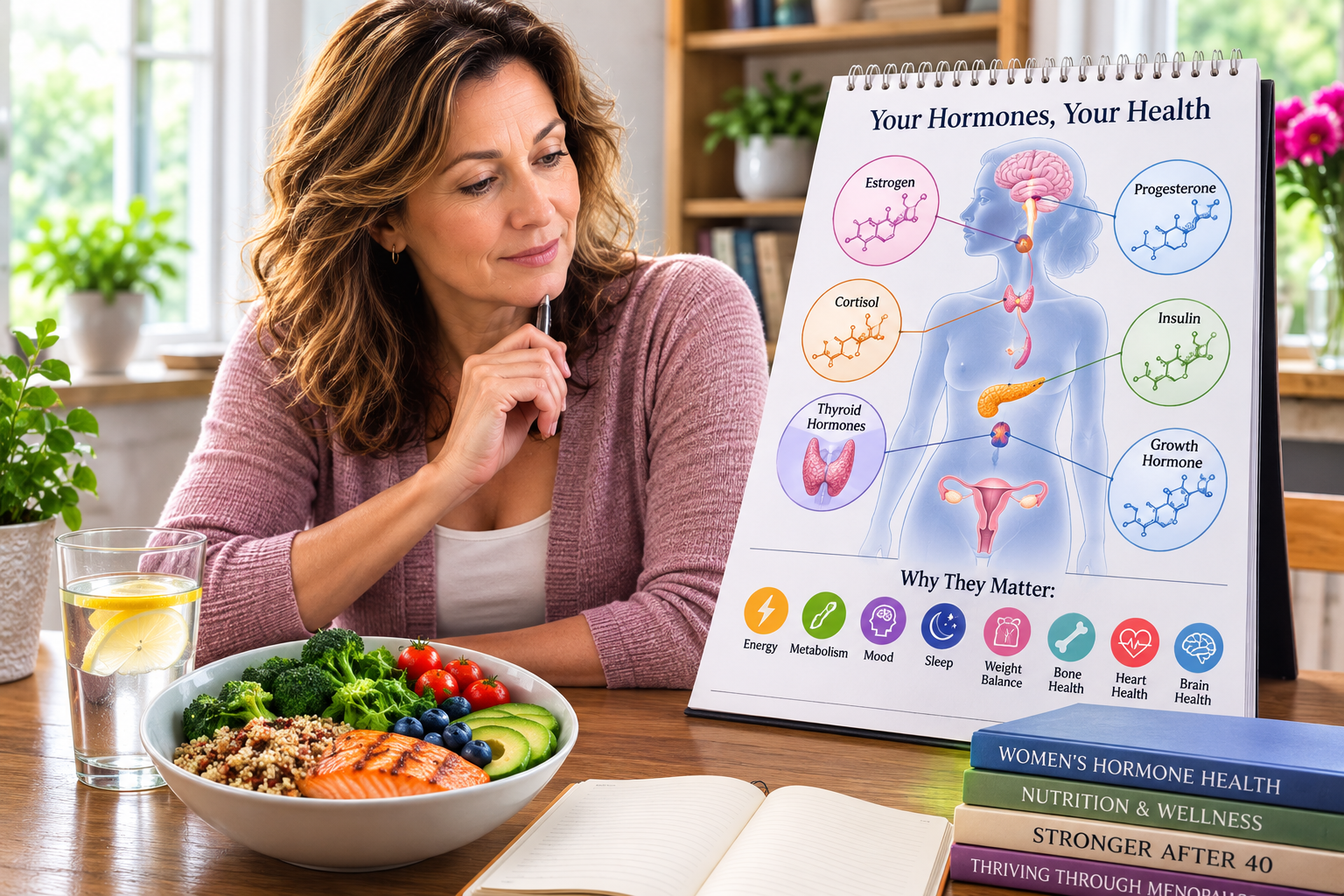
Hormones are chemical messengers produced by glands throughout your body — the ovaries, adrenal glands, thyroid, pituitary, pancreas, and others — that travel through your bloodstream and deliver instructions to virtually every cell, tissue, and organ. They regulate your metabolism, your reproductive system, your stress response, your sleep cycles, your immune function, and your mood.
The female hormonal system is extraordinarily sophisticated. Unlike the relatively stable hormonal environment of the male body, a woman’s hormonal landscape fluctuates in a predictable monthly cycle — rising and falling in carefully orchestrated patterns that govern not just reproduction but energy, cognition, emotional regulation, and physical performance.
The primary hormones governing a woman’s experience are estrogen, progesterone, testosterone, cortisol, insulin, thyroid hormones, and leptin — and they do not operate independently. They exist in a web of interconnection where a disruption in one affects all the others. This is why hormonal imbalance so rarely presents as one clear symptom. It presents as a constellation — fatigue AND mood changes AND weight shifts AND skin problems AND sleep disruption AND digestive issues — that can feel bewildering until you understand the underlying system. Understanding that system is the beginning of healing it.
The Signs Your Hormones Are Out of Balance
Hormonal imbalance in women is extraordinarily common — and extraordinarily underdiagnosed. Because the symptoms span so many body systems and often develop gradually, many women spend years living with the effects of hormonal disruption without connecting their symptoms to a hormonal root cause.
The signs worth paying attention to include persistent fatigue that sleep doesn’t fully resolve. Mood instability — anxiety, irritability, or low mood — that feels disproportionate to circumstances. Weight changes, particularly around the abdomen, that don’t respond to changes in diet or exercise. Skin changes — adult acne, dryness, dullness, or accelerated aging. Hair thinning or loss. Sleep disturbances — difficulty falling asleep, staying asleep, or waking unrefreshed. Irregular, painful, or heavy periods. Severe PMS symptoms. Brain fog and difficulty concentrating. Low libido. Digestive disruption. Cravings — particularly for sugar and carbohydrates — that feel impossible to manage.
None of these symptoms in isolation necessarily indicates hormonal imbalance. But a pattern of several occurring together, particularly if they fluctuate with your cycle or worsen at specific life stages — postpregnancy, approaching perimenopause, during periods of high stress — is a strong signal that your hormonal system needs support.
The encouraging truth is that hormonal balance is not a fixed state you either have or don’t have. It is a dynamic equilibrium that your body is constantly working to maintain — and one that responds powerfully to the right nutritional foundation, lifestyle practices, and daily support
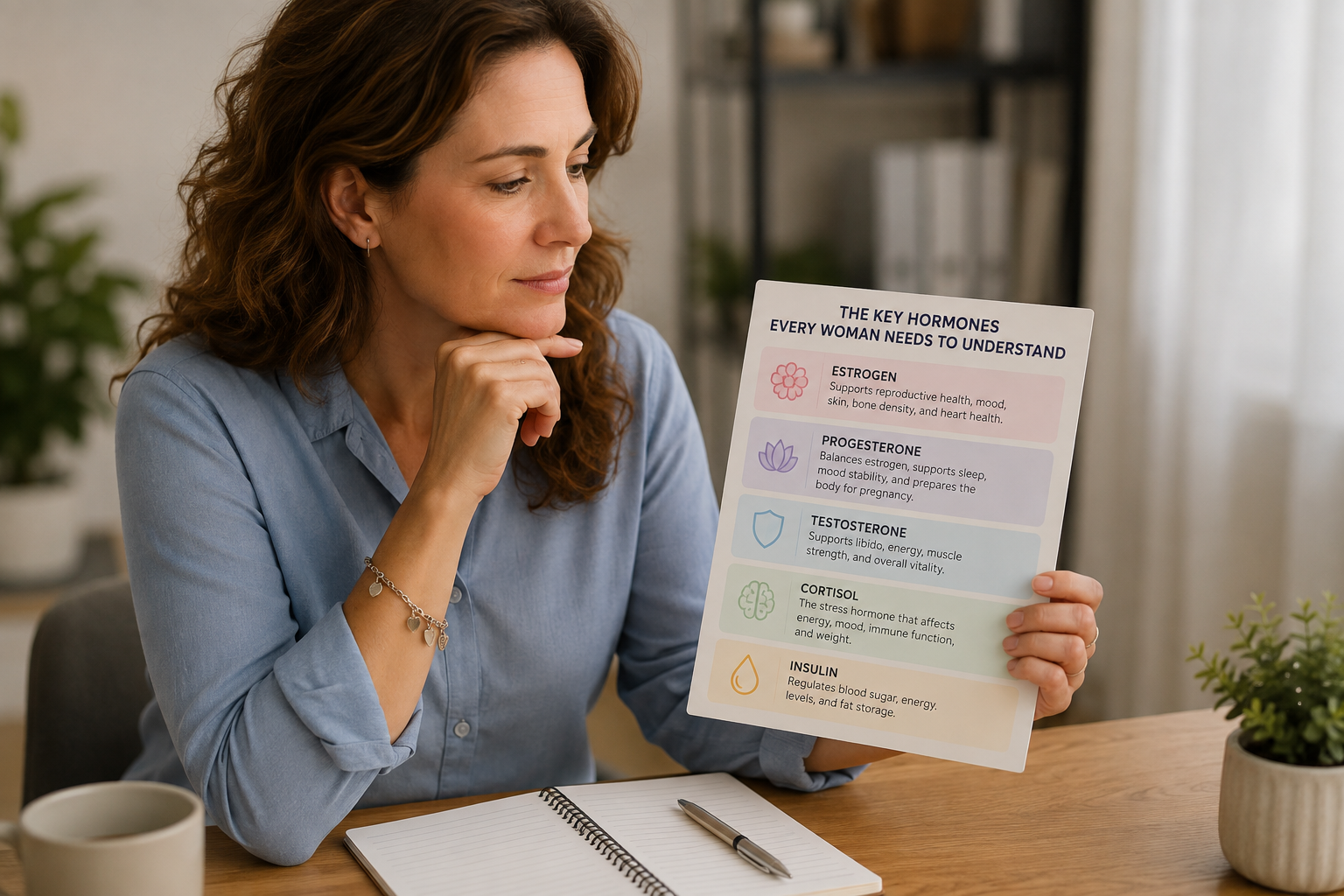
The Key Hormones Every Woman Needs to Understand
Estrogen — The Feminine Hormone With Far-Reaching Effects
Estrogen is the primary female sex hormone, produced mainly by the ovaries, with smaller amounts produced by the adrenal glands and fat tissue. It governs the development of female secondary sex characteristics, regulates the menstrual cycle, supports bone density, maintains cardiovascular health, influences mood and cognitive function, and affects skin quality and collagen production.
Estrogen levels fluctuate throughout the monthly cycle — rising in the follicular phase to trigger ovulation, declining after ovulation, and dropping significantly in the days before menstruation. Over a lifetime, estrogen levels decline progressively from perimenopause through menopause — a transition that affects virtually every body system and requires specific nutritional and lifestyle support.
Both too much estrogen — a state called estrogen dominance — and too little create significant symptoms. Estrogen dominance, which can occur when estrogen is high relative to progesterone even if absolute levels are normal, is associated with heavy periods, bloating, breast tenderness, mood instability, and weight gain around the hips and thighs. Low estrogen — which accelerates through perimenopause — produces hot flashes, night sweats, vaginal dryness, bone loss, sleep disruption, and cognitive changes.
Progesterone — The Calming Counterbalance
Progesterone is produced primarily after ovulation by the corpus luteum — the structure that remains after the egg is released. Its primary reproductive role is to prepare the uterine lining for potential implantation. But progesterone’s effects extend far beyond reproduction — it has a calming, anti-anxiety effect on the nervous system, supports sleep, reduces inflammation, and counterbalances estrogen’s stimulating effects.
Progesterone levels decline significantly in the luteal phase if ovulation doesn’t occur — a condition called anovulation that is more common than most women realize, particularly during periods of high stress. Low progesterone relative to estrogen is one of the most common drivers of PMS symptoms — anxiety, mood swings, bloating, breast tenderness, and sleep disruption in the two weeks before menstruation.
Cortisol — The Stress Hormone That Disrupts Everything Else
Cortisol is produced by the adrenal glands in response to stress — physical, emotional, or psychological. In appropriate amounts, cortisol is essential — it regulates blood sugar, supports immune function, and drives the alertness and energy needed to respond to demands. In chronically elevated amounts, it is one of the most significant disruptors of hormonal balance available.
Chronically high cortisol suppresses progesterone production — because the body uses the same precursor molecule to make both cortisol and progesterone, and under stress it prioritizes cortisol. This creates a direct pathway from chronic stress to hormonal imbalance. High cortisol also disrupts thyroid function, destabilizes blood sugar,
promotes fat storage — particularly around the abdomen — and interferes with sleep quality by keeping the nervous system in a state of alert activation when it should be winding down.
Managing cortisol is not simply about stress reduction in the vague sense. It is about building specific daily practices — nutritional, physical, and behavioral — that keep the adrenal stress response appropriately calibrated.
Insulin — The Blood Sugar Hormone With Hormonal Consequences
Insulin is produced by the pancreas to manage blood sugar — but its effects on women’s hormonal health extend far beyond glucose regulation. Chronically elevated insulin — the result of a diet high in refined carbohydrates and sugar, combined with insufficient protein and movement — promotes the production of androgens including testosterone in the ovaries. This is the mechanism behind polycystic ovarian syndrome, or PCOS, one of the most common hormonal conditions affecting women of reproductive age.
Insulin resistance also disrupts estrogen metabolism, promotes inflammation, interferes with leptin signaling — the satiety hormone — and creates the blood sugar instability that drives cravings, energy crashes, and mood disruption. Stabilizing insulin through nutrition is one of the most powerful levers available for improving overall hormonal balance.
Thyroid Hormones — The Metabolic Regulators
The thyroid gland produces hormones that regulate metabolism, energy production, body temperature, heart rate, digestion, and mood. Thyroid dysfunction — both hypothyroidism, where production is insufficient, and hyperthyroidism, where it’s excessive — is significantly more common in women than men and often develops gradually enough that symptoms accumulate for years before a diagnosis is made.
Fatigue, weight changes, cold sensitivity, hair loss, brain fog, constipation, and mood changes are all potential signs of thyroid disruption. The thyroid is particularly sensitive to nutrient deficiencies — iodine, selenium, zinc, and iron are all essential for thyroid hormone production and conversion — and to the effects of chronic stress and elevated cortisol.
What Disrupts Hormonal Balance in Women
Understanding what throws the hormonal system out of balance is as important as knowing how to restore it — because many of the most significant disruptors are embedded in the patterns of daily life that most women don’t recognize as hormonal influences.
Chronic stress is the most pervasive disruptor. The cortisol cascade triggered by unrelenting physical and psychological stress ripples through the entire hormonal system — suppressing progesterone, destabilizing thyroid function, driving insulin resistance, and disrupting the sleep that the entire system depends on for restoration and regulation.
Blood sugar instability creates a hormonal environment of constant reactivity. The cycle of refined carbohydrate consumption, insulin spikes, blood sugar crashes, and cortisol release to restore glucose levels is a daily hormonal disruption that compounds over months and years into significant imbalance.
Nutritional deficiencies undermine hormone production at the most fundamental level. Hormones are made from nutritional raw materials — healthy fats, proteins, vitamins, and minerals. Deficiencies in magnesium, zinc, B vitamins, vitamin D, omega-3 fatty acids, and iron are all directly connected to hormonal disruption.
Inadequate sleep disrupts the hormonal regulation that happens almost exclusively during sleep — including growth hormone release, cortisol calibration, leptin and ghrelin regulation, and the restoration of the adrenal system. Chronic sleep deprivation creates a hormonal environment that is essentially in a state of permanent stress response.
Environmental toxins — xenoestrogens found in plastics, pesticides, synthetic fragrances, and conventional beauty products — mimic estrogen in the body and contribute to estrogen dominance by adding to the overall estrogenic load the body must process and eliminate.
Over-exercise without adequate recovery — particularly chronic cardio without sufficient protein intake and rest — elevates cortisol, suppresses reproductive hormones, and disrupts the menstrual cycle in ways that take months to correct.
Under-eating — particularly insufficient fat and protein intake — deprives the body of the building blocks hormones are made from. Low fat diets in particular suppress sex hormone production because estrogen, progesterone, and testosterone are all synthesized from cholesterol
How to Support Hormonal Balance Naturally — The Daily Foundation

Nutrition as Hormonal Medicine
The single most powerful daily intervention for hormonal health is what you eat — specifically, building every meal around a foundation of protein, healthy fat, and fiber-rich vegetables while minimizing the refined carbohydrates and sugar that drive insulin dysregulation.
Protein at every meal supports hormonal health in multiple ways. It stabilizes blood sugar, reducing the insulin spikes that drive androgen production and hormonal disruption. It provides the amino acids required for neurotransmitter production — including serotonin and dopamine, which are directly affected by estrogen and progesterone fluctuations. And it supports liver function, which is responsible for metabolizing and eliminating used hormones from the body.
Aim for thirty grams of protein at breakfast — a target that research consistently associates with better appetite hormone regulation, more stable energy, and improved body composition in women. The FFF Morning Wellness Foundation — taken with that protein-rich breakfast — provides the Essential Multi for Women and Women’s Probiotic 60B that support the nutritional infrastructure hormonal health depends on. The Essential Multi provides the B vitamins critical for estrogen metabolism, the zinc that supports progesterone
production, and the vitamin D that regulates hormonal signaling throughout the body. The Women’s Probiotic 60B supports the gut microbiome — which plays a direct and increasingly recognized role in estrogen metabolism through what researchers now call the estrobolome, the collection of gut bacteria responsible for processing estrogen for elimination.
in estrogen metabolism through what researchers now call the estrobolome, the collection of gut bacteria responsible for processing estrogen for elimination.
Healthy fats are the raw material for sex hormone production. Avocado, olive oil, fatty fish, eggs, nuts, seeds, and coconut oil provide the cholesterol precursors from which estrogen, progesterone, and testosterone are synthesized. Women eating low fat diets consistently show lower sex hormone levels — which is why extreme fat restriction is one of the fastest routes to hormonal disruption.
Cruciferous vegetables — broccoli, cauliflower, Brussels sprouts, kale, cabbage — contain compounds called indole-3-carbinol and DIM that support healthy estrogen metabolism in the liver, helping the body process and eliminate estrogen efficiently rather than allowing it to recirculate and accumulate.
Phytoestrogen-rich foods — flaxseeds, soy, lentils, sesame seeds — contain plant compounds that weakly bind to estrogen receptors and can help modulate estrogen activity, potentially beneficial for both estrogen dominance and estrogen deficiency depending on the context.
Blood sugar stabilization is the nutritional intervention with the broadest hormonal impact. Reducing refined carbohydrates, pairing any carbohydrate consumption with protein and fat to slow absorption, and building meals around vegetables and protein rather than grains and sugar creates the stable insulin environment in which hormonal balance is possible. The FFF Midday Metabolic Support — taken with lunch or an afternoon meal — supports this directly through Glucose Shield, which helps maintain healthy blood sugar balance, and Crave Balance, which addresses the appetite dysregulation that blood sugar instability creates. Together they support the stable metabolic environment that the hormonal system requires to function optimally through the second half of the day.
Sleep as Hormonal Restoration
Sleep is not passive. It is the most active hormonal restoration period in a woman’s twenty-four hour cycle — and its disruption has consequences for hormonal balance that no nutritional intervention can fully compensate for.
During deep sleep, the body releases growth hormone, calibrates cortisol for the following day, regulates leptin and ghrelin, and performs the cellular repair that keeps the endocrine system functioning optimally. Women who consistently sleep less than seven hours show measurably disrupted cortisol patterns, lower progesterone levels, impaired insulin sensitivity, and elevated inflammatory markers — all direct hormonal consequences of insufficient sleep.
The FFF Evening Restoration — Collagen Ageless Essence, Ashwagandha Balance, and Maca Pure taken in the evening — supports the hormonal restoration that happens during sleep from multiple angles. Ashwagandha Balance is an adaptogenic herb with significant clinical research supporting its ability to reduce cortisol levels, improve stress resilience, and support the nervous system’s transition from daytime activation to evening restoration — the shift that makes deep, hormonally restorative sleep possible. Maca Pure supports hormone balance including progesterone and estrogen regulation while also supporting energy and vitality. Collagen Ageless Essence supports the overnight skin renewal and tissue repair processes that estrogen and growth hormone facilitate during sleep — making it the ideal evening complement to a hormonal health protocol.
Stress Management as Non-Negotiable
Because cortisol is the hormonal disruptor with the widest ripple effect through the female hormonal system, stress management is not a lifestyle luxury for women focused on hormonal health. It is clinical necessity.
The practices with the most evidence for cortisol regulation include breathwork — specifically slow, extended exhale breathing that activates the parasympathetic nervous system and directly signals the adrenal glands to down-regulate cortisol production. Even five minutes of deliberate slow breathing has measurable effects on cortisol within twenty minutes of practice
Yoga and gentle movement — particularly in the luteal phase when cortisol sensitivity is highest — support cortisol regulation while providing the physical benefits of movement without the cortisolelevating effects of intense exercise.
Nature exposure — time spent outside, particularly in green spaces — has been shown in multiple studies to reduce cortisol levels measurably within twenty to thirty minutes of exposure. This is not metaphorical. Spending time in nature produces literal hormonal change.
Adaptogenic herbs — plants that help the body adapt to stress by modulating the stress response rather than suppressing it — are among the most evidence-supported natural interventions for cortisol management. Ashwagandha Balance in the FFF Evening Restoration bundle contains withania somnifera — the most clinically researched adaptogen for cortisol reduction and stress resilience in women. Studies show consistent reductions in serum cortisol with regular ashwagandha supplementation alongside improvements in stress, anxiety, and sleep quality
Movement That Supports Rather Than Stresses
Exercise is one of the most powerful hormonal regulators available — but the type, intensity, and timing of movement matters significantly for women’s hormonal health.
Resistance training two to four times per week is the movement intervention with the strongest evidence for improving insulin sensitivity, supporting healthy testosterone levels, increasing growth hormone production, and improving body composition in women. It is particularly important as estrogen declines through perimenopause because muscle mass — which resistance training preserves — plays a critical role in metabolic health and insulin regulation in the absence of estrogen’s protective effects.
Moderate intensity cardio — walking, cycling, swimming — supports cardiovascular health, mood regulation through endorphin release, and cortisol management when kept to appropriate durations. Chronic high intensity cardio without adequate recovery, conversely, elevates cortisol, suppresses reproductive hormones, and can disrupt the menstrual cycle.
The timing of exercise across the monthly cycle matters more than most women realize. In the follicular phase — when estrogen is rising — energy, strength, and recovery capacity are at their peak, making this the optimal window for higher intensity training. In the luteal phase — when progesterone rises and cortisol sensitivity increases — gentler movement, yoga, walking, and lighter resistance work support hormonal balance better than maximum intensity training.
Reducing Environmental Hormone Disruptors
Xenoestrogens — synthetic compounds that mimic estrogen in the body — are pervasive in the modern environment and contribute meaningfully to the estrogenic load that the liver must process and eliminate. Reducing exposure is a practical and evidence-supported component of a comprehensive hormonal health strategy.
Practical reductions include switching from plastic food storage containers to glass or stainless steel, particularly for hot foods and iquids. Choosing organic produce for the Environmental Working Group’s Dirty Dozen — the twelve most pesticide-laden fruits and vegetables. Transitioning conventional beauty and personal care products to clean, fragrance free alternatives. Filtering drinking water. Avoiding heating food in plastic containers.
None of these changes needs to happen overnight or all at once. A gradual transition toward lower toxin exposure reduces the xenoestrogen burden on the liver and supports cleaner estrogen metabolism over time.
Hormonal Health Across Life Stages
Reproductive Years — Supporting Monthly Rhythms
During the reproductive years, hormonal health support is primarily about working with the monthly cycle rather than against it. Understanding the four phases of the cycle — menstrual, follicular, ovulatory, and luteal — and adjusting nutrition, movement, stress management, and supplementation accordingly creates a hormonal environment that supports both immediate wellbeing and long-term hormonal resilience.
The FFF three-tier Daily Essentials system is designed to support women across all phases of the reproductive cycle — providing the nutritional foundation, blood sugar stability, and evening restoration that hormonal health requires regardless of cycle phase, with individual supplements like Maca Pure and Ashwagandha Balance providing targeted support for the hormone fluctuations specific to the luteal phase
Perimenopause — Navigating the Transition
Perimenopause — the transition phase that typically begins in the early to mid-forties and can last seven to ten years — represents the most significant hormonal shift most women experience outside of pregnancy. Estrogen levels begin to fluctuate erratically, progesterone declines, and the symptoms that result — hot flashes, night sweats, sleep disruption, mood changes, weight redistribution, cognitive changes, and bone density loss — can be significant.
The nutritional and lifestyle strategies for hormonal balance take on even greater urgency in perimenopause. Protein intake becomes more important as muscle mass preservation requires greater dietary support. Blood sugar management becomes more critical as estrogen’s insulin-sensitizing effects decline. Sleep support becomes essential as night sweats and cortisol dysregulation disrupt the restorative sleep the body needs. And adaptogenic support — particularly from Maca Pure and Ashwagandha Balance in the FFF Evening Restoration bundle — provides targeted hormonal and adrenal support during a transition that the body’s own systems are navigating with progressively less hormonal input.
Postmenopause — Sustaining Long-Term Hormonal Health
After menopause, the focus of hormonal health shifts toward sustaining the systems that estrogen previously supported — bone density, cardiovascular health, cognitive function, and metabolic regulation. The nutritional and lifestyle strategies remain largely the same, with increased emphasis on calcium and vitamin D for bone health, omega-3 fatty acids for cardiovascular and cognitive support, and resistance training for metabolic health and muscle preservation.
The FFF Morning Wellness Foundation provides the Essential Multi for Women — which includes the calcium, vitamin D, and B complex vitamins critical for postmenopausal health — alongside the probiotic support that sustains gut health as the microbiome shifts in the absence of estrogen’s regulatory influence.
Building Your Daily Hormonal Health Practice
Hormonal balance is not achieved through a single intervention or a temporary protocol. It is built through a consistent daily practice that provides the nutritional foundation, lifestyle conditions, and targeted support the hormonal system needs to self-regulate optimally.
The Fit Firm and Fabulous Daily Essentials three-tier system was designed specifically for this purpose — to provide women with a structured, morning-through-evening nutritional foundation that addresses the key pillars of hormonal health at every stage of the day.
The Morning Wellness Foundation — Essential Multi for Women and Women’s Probiotic 60B taken with breakfast — establishes the nutritional and gut health foundation that hormonal production, metabolism, and elimination depend on throughout the day.
The Midday Metabolic Support — DigestaMax Plus, Glucose Shield, and Crave Balance taken with lunch or an afternoon meal — maintains the blood sugar stability and digestive efficiency that prevent the cortisol spikes, insulin dysregulation, and energy crashes that disrupt hormonal balance through the most demanding hours of the day.
The Evening Restoration — Collagen Ageless Essence, Ashwagandha Balance, and Maca Pure taken in the evening — supports the cortisol downregulation, hormone balance, and overnight restoration that prepare the body for the deep, hormonally restorative sleep that the entire system depends on.
Together, these three tiers provide what no single supplement or isolated intervention can — a comprehensive, daily, whole-day approach to the nutritional support women’s hormonal health genuinely requires.
The Most Important Thing to Remember About Hormonal Health
Your hormones are not your enemy. They are not random. They are not simply the inconvenient explanation for your mood swings and your weight and your exhaustion. They are an extraordinarily sophisticated communication system that is doing its best to keep you well — and that responds, with remarkable sensitivity and speed, to the way you feed it, rest it, move it, and support it.
The symptoms of hormonal imbalance are not character flaws. They are signals. Messages from a system that is asking for something it isn’t currently receiving. And the response to those signals is not to override them with medication alone — though medication has its place — but to genuinely listen to what the body is asking for and build the daily foundation that makes hormonal balance not just possible but sustainable.
You don’t have to live in the fog of hormonal disruption. You don’t have to accept the exhaustion, the mood instability, the skin that doesn’t reflect how you actually feel, the weight that won’t shift, the sleep that doesn’t restore. These are not inevitable features of being a woman. They are correctable expressions of a system that needs support.
Start with the foundation. Build it daily. Give it time to work. And pay attention to what changes — because when you support your hormones properly, nearly everything changes.